

Creating Solutions Psychology
Car Accident and Personal Injury Counselling in Edmonton
Therapy helps individuals cope with the emotional trauma, anxiety, and stress that often follows an accident or injury. Therapy provides a safe space to address pain management, adjustment to life changes, and to rebuild confidence.
When you’re feeling overwhelmed and just want your life to get back to normal
Are you stuck replaying a traumatic event over and over in your mind? Are you experiencing anxiety, stress, or difficulty driving following a car accident or personal injury event?
Experiencing a car accident or injury can have lasting emotional and physical effects. Therapy provides a safe space to process these experiences and develop coping strategies for recovery. Some of the most common issues addressed in therapy after an accident include:
Common issues addressed in children’s therapy include:
post-traumatic stress & anxiety,
depression & emotional distress,
chronic pain and psychosomatic issues,
fear of driving or travelling,
guilt & self-blame,
relationship strain, and
sleep disturbances.



How Car Accident and Personal Injury Counselling can make a difference
Counselling can make a significant difference when people are recovering from a major event or injury.
Regaining confidence: A lot of people feel nervous or scared to drive again. Therapy can help rebuild that confidence and reduce avoidance behaviors, so you can return to a normal routine without fear taking over.
Building Coping Skills: An accident or major injury is a significant event in your life. In therapy coping skills are used to support many areas of recovery, including daily activities, relaxation and stress reduction, emotional expression, changing thoughts, and learning to regain control over related activities.
Healing From Trauma and Loss: Trauma can leave your brain feeling stuck in “survival mode.” Therapy sessions will support you to make sense of what happened without reliving it over and over, reduce symptoms of PTSD like flashbacks or nightmares, or create a healing narrative around the experience, which helps your brain find some resolution.
Dealing with Chronic Pain or Physical Recovery: Chronic pain can affect your mental health as well, often leading to frustration or hopelessness. Therapy can help find ways to cope with the stress of ongoing recovery, navigate limitations or lifestyle changes, and stay motivated.
Support for Sleep or Concentration Issues: After trauma, people often report trouble sleeping or focusing. Therapy can help identify and manage these symptoms, sometimes using techniques like mindfulness, relaxation training, or sleep hygiene strategies.
Managing Legal or Insurance Stress: Dealing with claims, paperwork, or legal action can be overwhelming. Therapists can’t handle the legal side, but they can help you manage the stress and advocate for yourself more effectively. Creating Solutions also can support by directly billing your insurance for sessions so you don’t need to pay upfront
Techniques used in car accident and personal injury therapy
-
Confidentiality and an Emotionally Safe Space: Therapy provides a private, judgement-free environment where individuals can openly express their thoughts and feelings without fear.
Therapeutic Relationship and Guidance: Therapists offer compassionate listening, validation, and professional guidance to help clients navigate challenges, improve self-awareness, and find solutions right for them.
Personalized Strategies and Techniques: Therapy is tailored to each person’s needs. Evidence-based approaches are used to help clients work through difficulties and create the life they are working towards.
Co-ordination of Therapy with Legal Processes: Creating Solutions has established billing and communication procedures to ensure effective collaboration with your car insurance provider and any legal representation you may have.
-
CBT can be effective after a car accident because it helps you deal with the emotional and mental aftermath by focusing on how thoughts, feelings, and behaviors are all connected.
Key CBT Techniques
Cognitive Restructuring: Helping you identify, challenge and replace distorted or fearful thoughts with more realistic ones.
Understanding Triggers and Reactions: By understanding the pattern, you can interrupt it. You gain tools to ground yourself, challenge your thoughts, and choose a different response.
Relaxation and Coping Skills: Teaching deep breathing, mindfulness, and other stress-reduction techniques.
Gradual Exposure: Helping people face fears in a manageable and structured way, reducing anxiety over time.
-
Car accidents don’t just affect the mind—they leave lasting imprints on the body too. Even after injuries heal, you might notice tension, anxiety, or a sense of being "on edge" that stays. Somatic therapy helps release stored trauma by gently reconnecting with your body.
Unlike talk therapy alone, somatic therapy focuses on the mind-body connection. It helps you become more aware of how your body responds to stress, and guides you to work through those sensations in a safe, healing way. This approach is especially helpful for those who feel stuck in fight-or-flight mode, or who experience ongoing anxiety, panic, or physical discomfort after the accident.
-
Exposure therapy is a highly effective approach that helps you gently face these fears in a safe, controlled, and supported way.
Rather than avoiding situations that trigger anxiety, exposure therapy helps you gradually reintroduce them, step by step. This process retrains your brain to see these situations as manageable—not dangerous. The goal isn’t to "push through" fear—it’s to gently reduce its power, so you can move forward with freedom and peace of mind.
Who Provides Counselling for Car Accidents and Personal Injury?
-

Shauna Karasick-Franks
Registered Psychologist
-

Kenneth Guye
Registered Clinical Social Worker
-

Natalie Mereniuk
Registered Provisional Psychologist
-
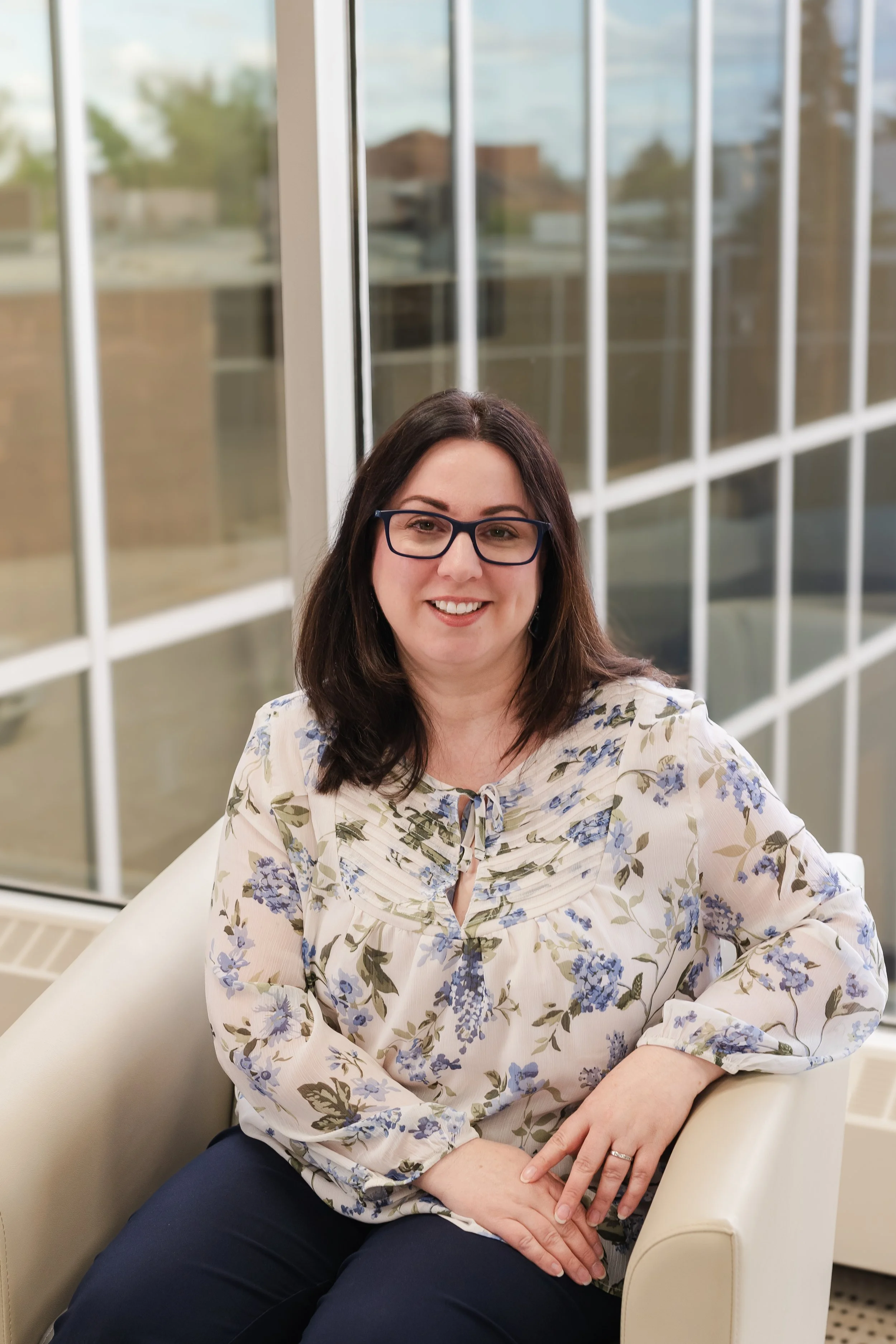
Amy Cardinal
Registered Psychologist
-

Brandi Smith
Registered Psychologist

How Car Accident and Personal Injury Therapy At Creating Solutions Works
-
Through the first sessions a Creating Solutions’ therapist gets to know you and will develop unique strategies and interventions aimed at supporting you in achieving your therapy goals, reducing current distress, and building resiliencies for the future.
-
Creating Solutions works to coordinate communication between you, your insurance adjuster, and your legal team (if you have one). We also work to collaborate with your doctor if you request.
Creating Solutions is able to ensure that billing and reporting works between the professionals so you can focus on healing.
-
Creating Solutions requires all clients to go through informed consent during their first session so they know their rights and the expectations during therapy. This includes a conversation with their therapist and the review of consent forms. Anytime there is a change or question, a Creating Solutions’ therapist will revisit this conversation so the process of therapy is clear and comfortable.
Setting Up Therapy after a Car Accident or Injury

If you are ready to get started contact us to complete the intake and schedule an initial session. Please have the following ready:
A referral from your doctor.
Your insurance and claim information.
Your health benefit/employer benefit information.
If you are not sure what you may need to get started let us know you want to book a phone consultation with one of our therapists to ask questions and get clear direction.